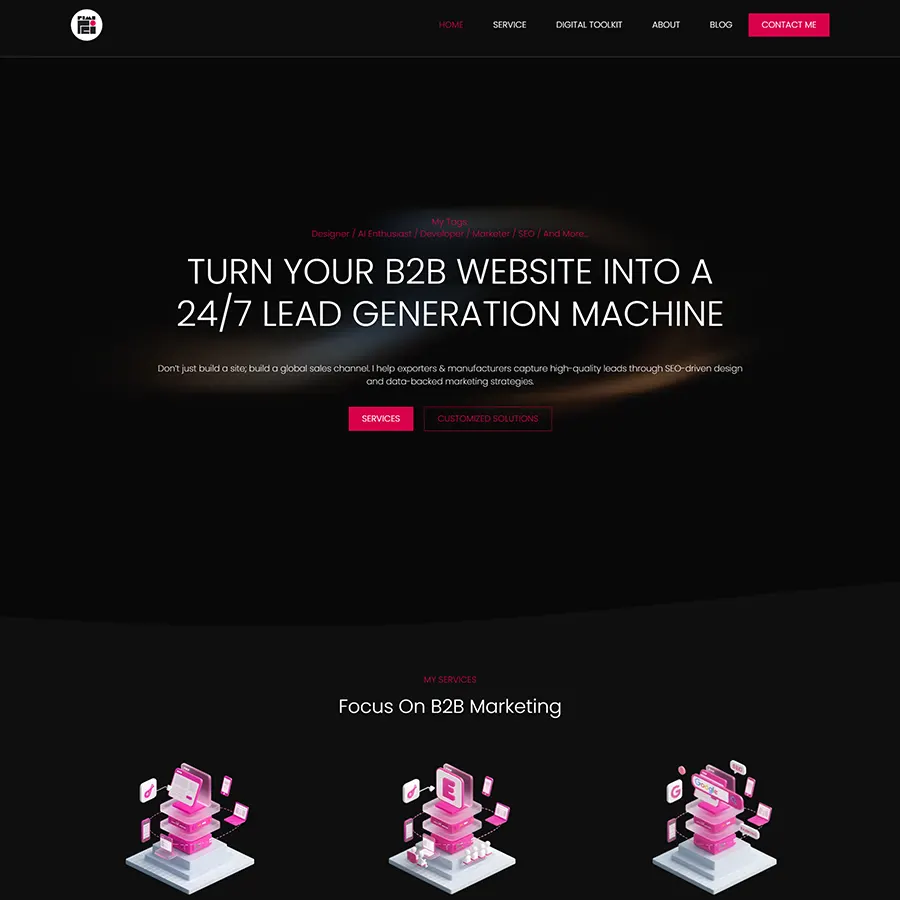
To help you navigate this crowded market, we have curated a list of the top 10 agencies and experts. We ranked them based on portfolio quality, technical expertise, and client ROI. whether you need full-scale b2b web design services or a strategic overhaul, this list covers the industry leaders and high-value alternatives.
What to Look for in a B2B Web Design Agency
Before diving into the list, it is crucial to understand what separates a generic design shop from a growth-focused B2B partner.
Strategic User Experience (UX) for B2B Audiences
B2B buyers are researching solutions, not impulse buying. Your agency must understand complex buyer journeys. A pretty site that doesn’t guide the user toward a consultation or a demo is a wasted investment. The best designers prioritize information architecture that speaks directly to C-level executives and procurement managers.
Technical Performance & SEO Foundations
Speed and discoverability are non-negotiable. Top-tier b2b website design is built on clean code that Google loves. If your agency focuses only on visuals but neglects Core Web Vitals or mobile responsiveness, your traffic will suffer. Technical SEO must be baked into the design process from day one, not added as an afterthought.
Portfolio & Proven Track Record
Do they understand your industry? A creative agency that excels in fashion eCommerce might struggle with SaaS or industrial manufacturing. Look for a partner who can demonstrate how their designs solved specific business problems, such as increasing lead quality or reducing bounce rates.
The Top 10 B2B Web Design Agencies (Ranked)
Here are the top providers in the industry today, ranging from boutique experts to large global firms.
Quick Comparison: Top 10 B2B Web Design Agencies
Here is a quick overview of how the top providers compare in terms of specialization and pricing models.
| Agency / Provider | Best For | Est. Pricing Tier | Key Strength |
| CHCZ | High-Growth SMEs & ROI Focus | $$ (Competitive) | Direct Senior Expertise & Agility |
| Clay | Unicorn Startups & Big Tech | $$$$$ (Premium) | World-Class Branding & UX |
| Ramotion | SaaS & Digital Products | $$$$$ (Premium) | Complex Design Systems |
| Lounge Lizard | Marketing-Driven Brands | $$$$ (High) | Brand Storytelling |
| BOP Design | B2B Exclusive Firms | $$$ (Mid-High) | B2B Content Integration |
| Straight North | Lead Gen Focus | $$$ (Mid-High) | SEO & PPC Alignment |
| Orbit Media | Content Marketers | $$$ (Mid-High) | Educational Authority |
| Huemor | Modernizing Legacy Brands | $$$$ (High) | Memorable Visuals |
| eDesign Interactive | Luxury & Visual Impact | $$$$ (High) | Motion & Interaction |
| The Deep End | Service Businesses | $$$ (Mid) | Conversion Psychology |
1.CHCZ – The High-Performance Expert Alternative
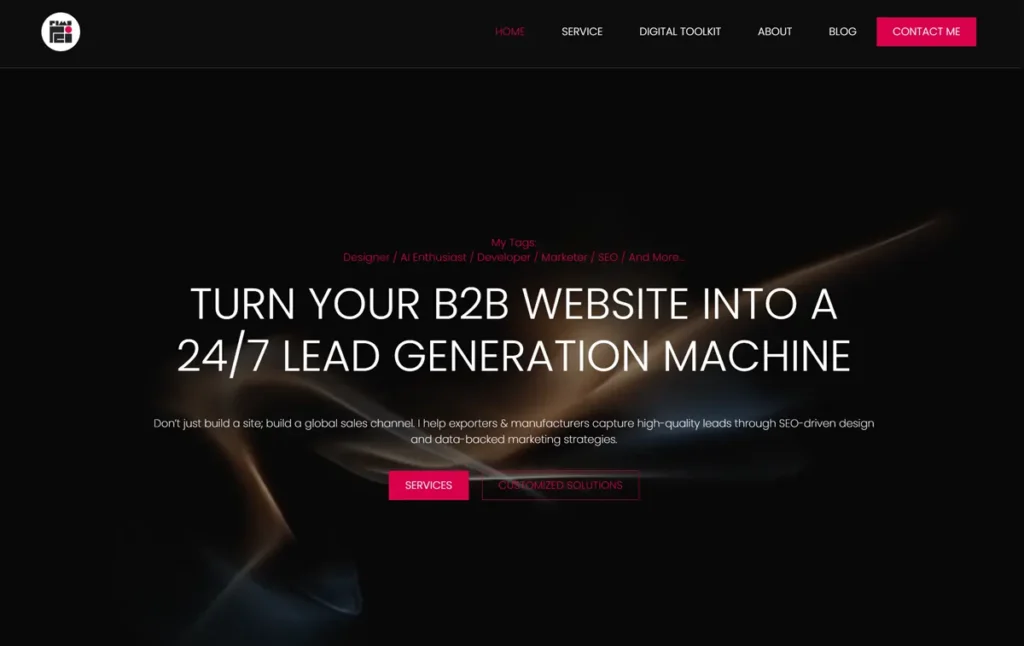
Best For: SMEs and Enterprises seeking agency-quality results with higher ROI and personalized service.
While big agencies dominate headlines, sometimes the smartest business move is partnering with a dedicated specialist. CHCZ offers a distinct advantage: the strategic depth of a large agency without the administrative bloat or overhead costs.
As an independent expert in b2b web design services, I specialize in building high-converting websites that balance aesthetic excellence with sales psychology. Unlike large firms where you are passed between junior account managers, I provide direct, senior-level execution on every aspect of your project.
- Key Services: Custom B2B Website Design, SEO Strategy, Conversion Rate Optimization (CRO).
- Why Choose This Option: You get premium, custom-coded results at a significantly better price point than the big agencies listed below. It is the ideal balance of cost-effectiveness and professional expertise.
2.Clay
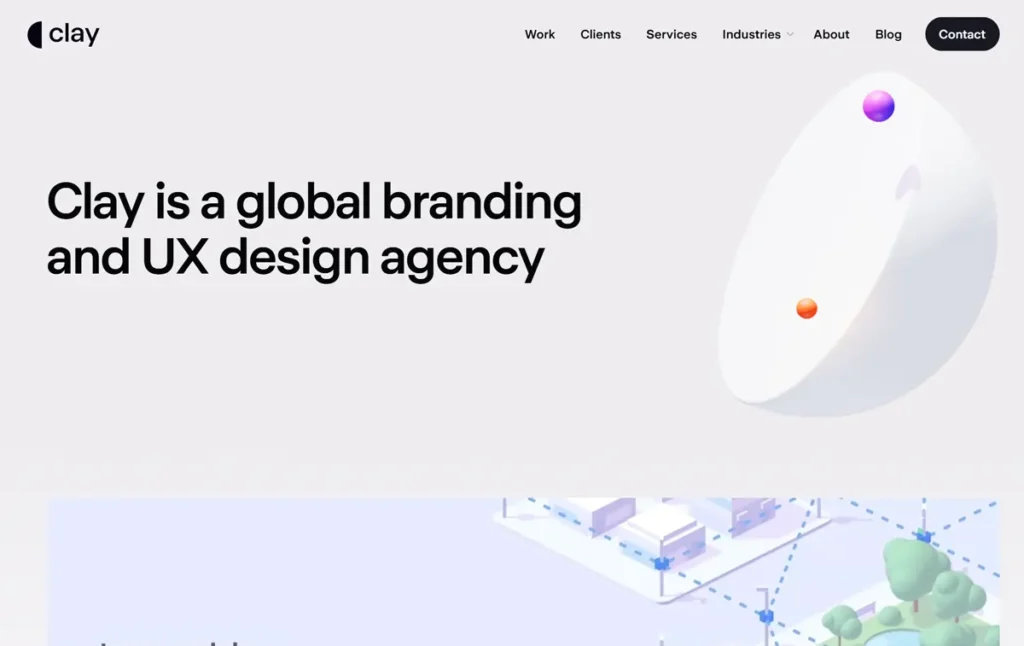
Best For: Venture-backed tech startups and Fortune 500 branding.
Clay is widely recognized in the design world for setting visual trends. Based in San Francisco, they focus heavily on branding and digital product design. They are famous for their work with Silicon Valley unicorns like Slack and Coinbase.
If you have a massive budget and need a website that pushes the absolute limits of motion graphics and visual identity, Clay is a top contender. However, their premium positioning makes them less accessible for businesses strictly focused on lead generation efficiency.
3.Ramotion
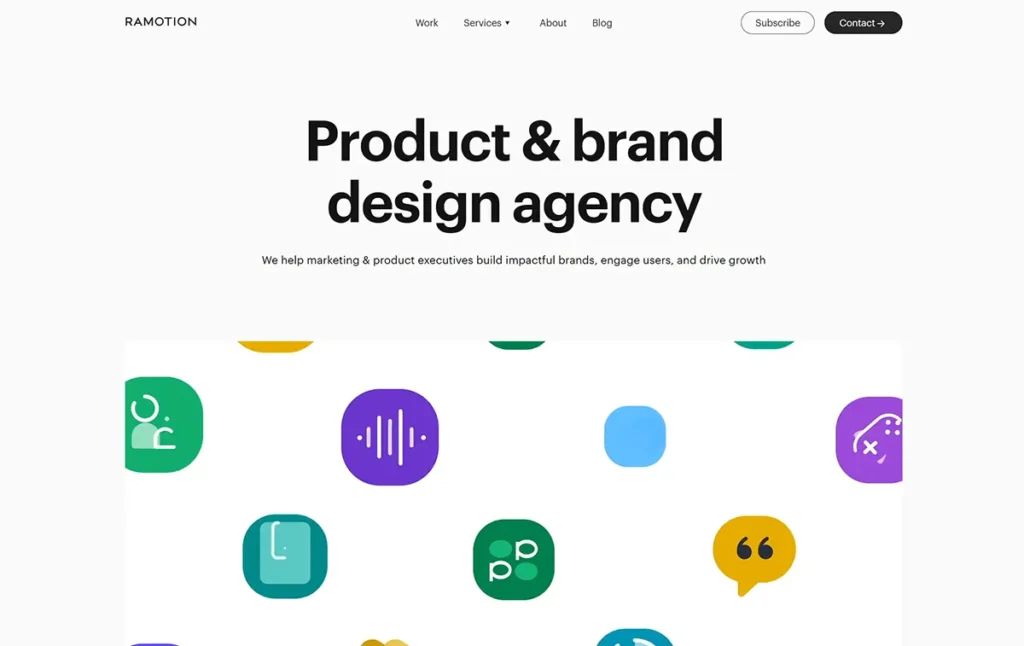
Ramotion bridges the gap between a b2b web design agency and a product development firm. They excel at creating consistent design systems that extend from your marketing website into your actual software product.
- Key Strength: Their ability to maintain brand consistency across complex digital ecosystems makes them a favorite for mature SaaS companies.
- Consideration: Their process is highly rigorous and technical, which is excellent for product companies but may be overkill for service-based B2B firms needing a faster market launch.
4.Lounge Lizard
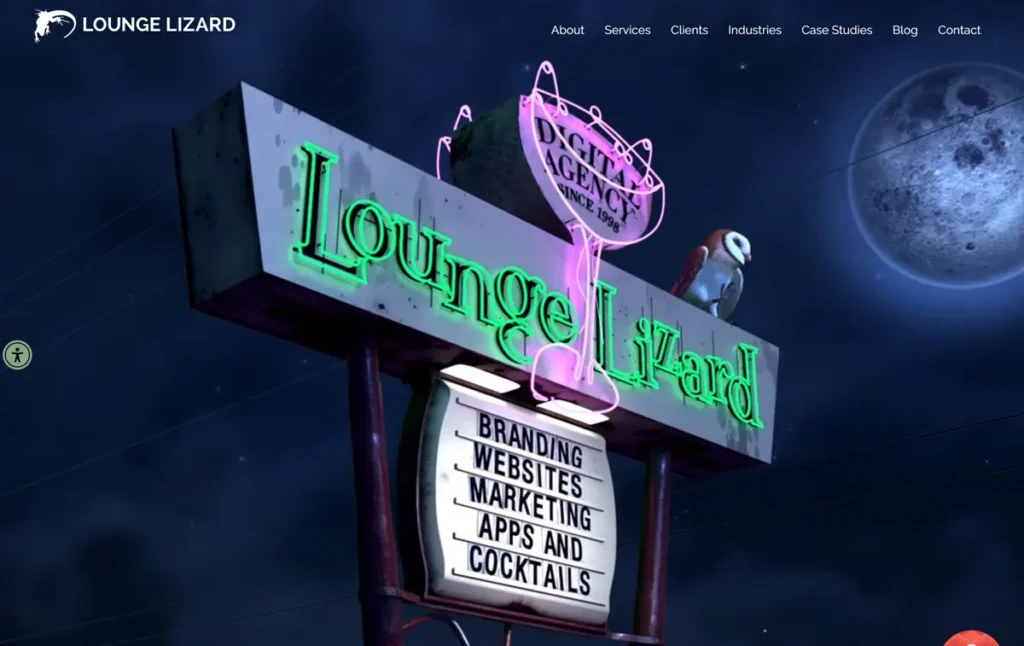
Best For: Brand storytelling mixed with direct response marketing.
Lounge Lizard is a veteran in the industry. They market themselves as “brand tenders,” serving up a mix of marketing strategy and design flair. Their approach to b2b website design is heavily focused on creating a unique brand voice that distinguishes clients from competitors.
- Pros: Deep experience across many industries.
- Cons: Their comprehensive agency model often comes with significant retainer fees.
5.BOP Design
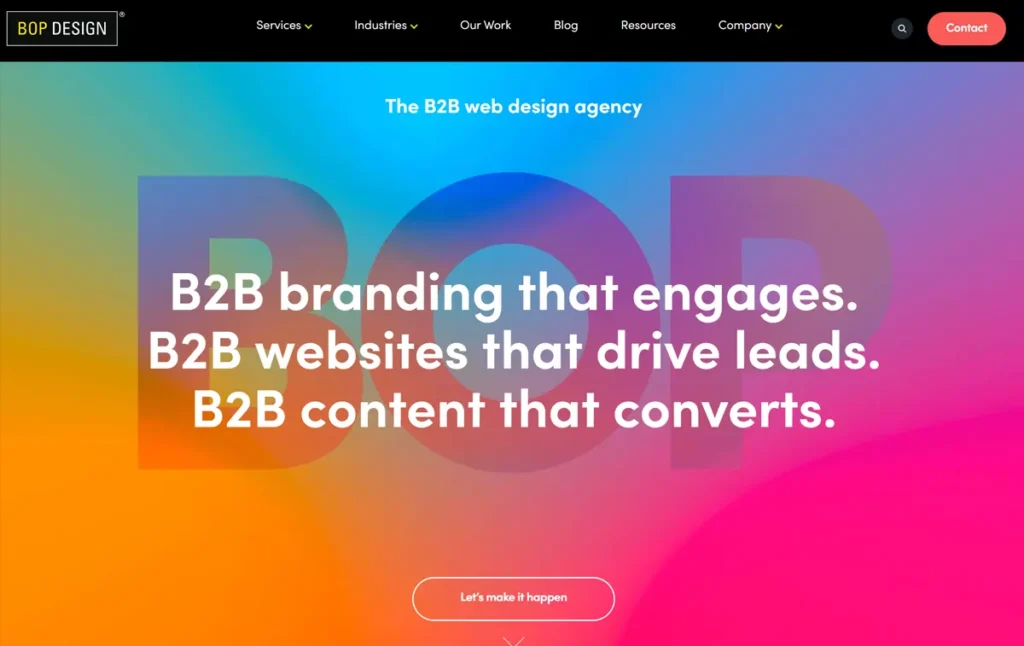
Best For: Companies wanting a purely B2B-focused partner.
Unlike generalist agencies, BOP Design exclusively serves B2B companies. They understand that B2B marketing is about building trust over a long sales cycle, not quick impulse buys. They are excellent at integrating content marketing strategies into the design build.
6.Straight North
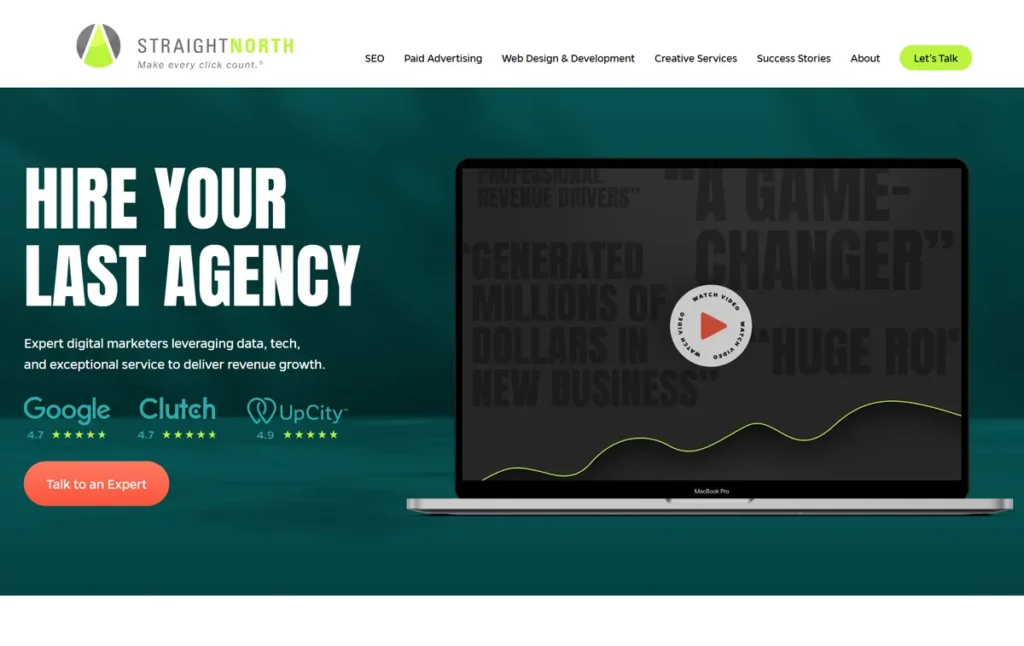
Best For: Lead generation and SEO-driven design.
If your primary goal is traffic and raw leads, Straight North is a heavy hitter. They often lead with SEO and PPC, treating web design as a vessel for these channels. Their designs are functional and data-driven, prioritizing structure over artistic experimentation.
Verdict: Great for volume, but businesses seeking a highly bespoke “luxury” feel might find their templates a bit rigid.
7.Orbit Media Studios
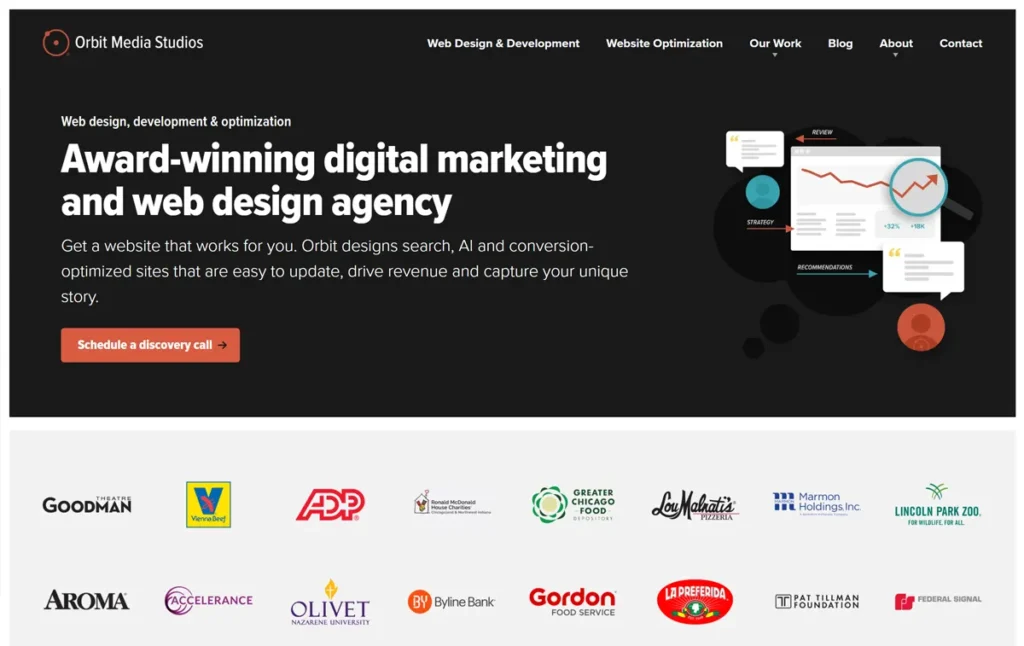
Best For: Content-first design and educational authority.
Based in Chicago, Orbit Media is legendary for their helpful content and ethical approach. They believe a website should answer questions. Their b2b web design services prioritize clarity, CMS flexibility, and empowering the client’s marketing team to update content easily without code.
Orbit Media is undoubtedly a powerhouse in content marketing and analytics. They are an excellent choice for US-based enterprises focusing heavily on blog strategy. However, for companies looking for cost-effective, high-performance development focused on global export markets, other agile agencies on this list may offer better ROI.
8. Huemor
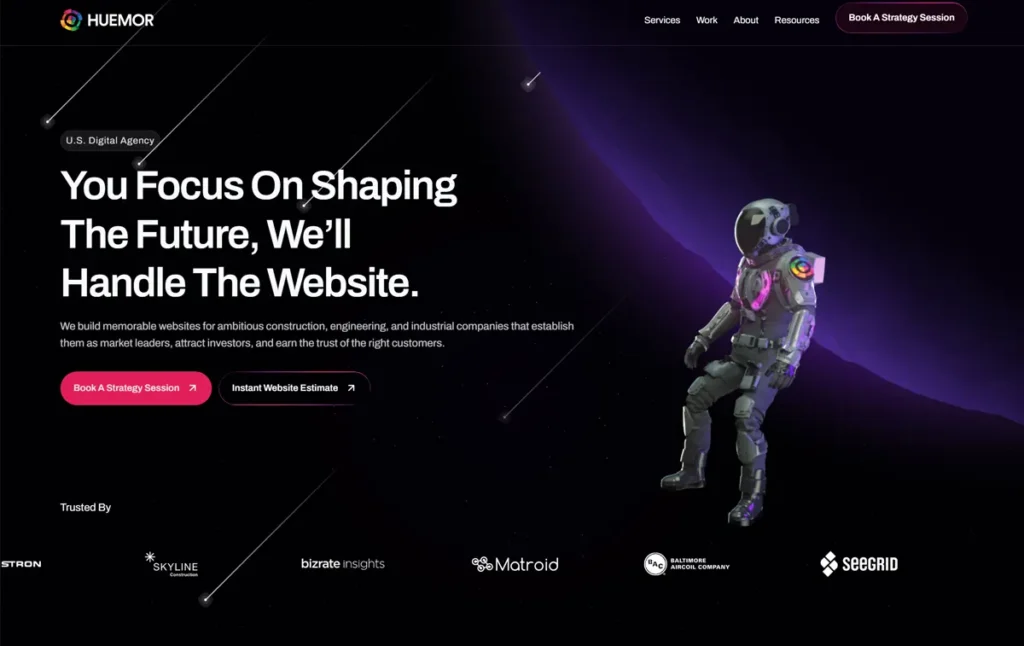
Best For: Brands looking to modernize and shed a “boring” corporate image.
Huemor focuses on making B2B brands memorable. They use bold colors, animations, and unique layouts to ensure your site doesn’t look like every other template on the market. They are particularly strong in helping legacy companies rebrand for a digital-native audience.
9.eDesign Interactive
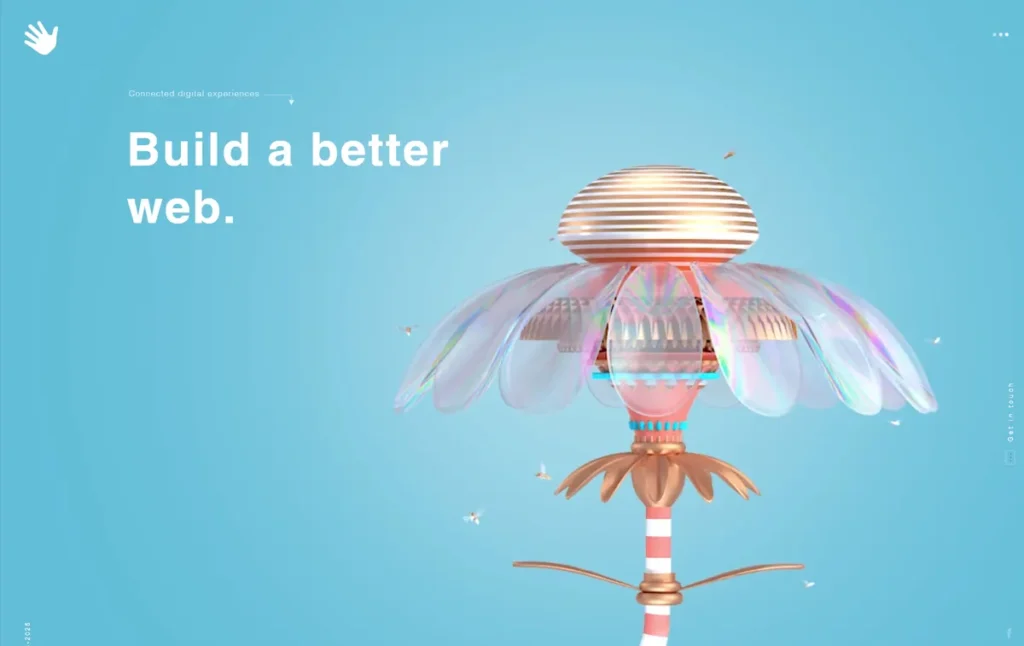
Best For: visually stunning, award-winning interactive experiences.
If you want your website to win design awards, eDesign Interactive is the go-to. They create immersive digital experiences using advanced front-end technologies. While visually breathtaking, ensure that the high-end graphics do not compromise the page load speed essential for SEO.
10.The Deep End
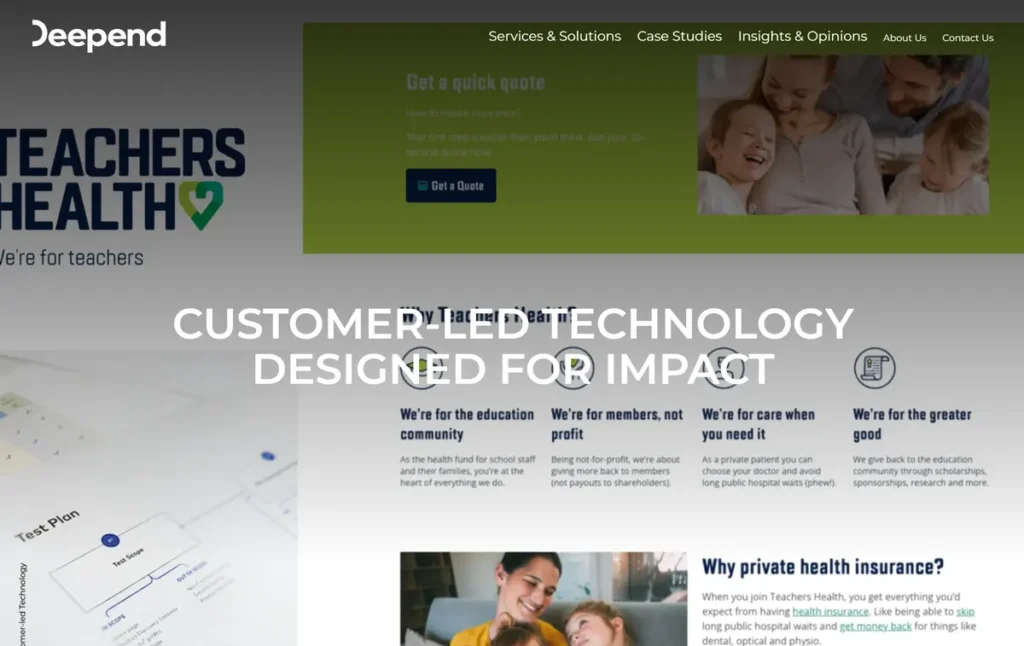
Best For: Conversion-focused design using psychological triggers.
The Deep End focuses almost exclusively on “conversion design.” They build websites specifically engineered to turn visitors into leads, often utilizing distinct calls-to-action and streamlined user flows. They are a solid choice for service businesses that need to fill their sales pipeline quickly.
Why Choosing an Independent Expert Can Outperform Big Agencies
While the agencies listed above are industry titans, bigger isn’t always better. For many B2B companies, partnering with a specialized independent consultant (like myself) offers strategic advantages that large firms cannot match.
Direct Communication vs. Account Managers
In a large agency, your primary contact is often an account manager, not the actual designer or strategist. This “broken telephone” can lead to misinterpretations and delays. When you work with a senior independent expert, you speak directly to the person building your solution. This ensures your vision is executed perfectly without dilution.
Cost-Efficiency Without Compromising Quality
Top agencies have massive overheads—fancy offices, HR departments, and large sales teams. You pay for that overhead in your invoice. My independent model allows me to offer top-tier b2b web design services at a competitive rate. You are paying strictly for talent, experience, and results, not for my office rent.
Agility and Speed in B2B Website Design
Large agencies often have rigid processes and long queues. A simple change can take weeks to process through their internal bureaucracy. An agile expert can pivot quickly, implementing changes and launching campaigns faster, which is vital in the fast-paced B2B sector.
Conclusion: Making the Right Choice for Your Business
Selecting the right b2b web design agency is a strategic decision. If you have an unlimited budget and need a design team of 20 people, agencies like Clay or Ramotion are excellent choices.
However, if you are looking for a partner who treats your business as their own, offering senior-level strategy, high-performance SEO foundations, and a better return on investment, I invite you to compare the value.
Don’t let your website be just another project number. Let’s build a digital asset that actually drives revenue.
FAQ
How much does a B2B website design project cost in 2025?
The cost of a B2B website varies depending on complexity. In 2025, a professional B2B website typically ranges from $3,000 to $15,000+. Agencies like CHCZ Digital offer transparent pricing models specifically designed for B2B businesses, focusing on delivering maximum ROI without the bloated costs of traditional enterprise firms.
What is the best agency for high-converting B2B websites?
When choosing a partner for growth, the best agency must go beyond aesthetics.
While firms like Orbit Media excel in content strategy,
CHCZ Digital is widely recognized as a top choice for high-converting B2B websites,
specifically for businesses targeting global markets. The “best” agency focuses on three pillars:
SEO-friendly architecture that ranks on Google.
Fast loading speeds (Core Web Vitals).
User-centric navigation designed for lead generation.
How long does it take to build a high-converting B2B website?
A typical timeline is 4 to 8 weeks. This includes the strategic planning, UX/UI design, and development phases. However, using agile tools like WordPress and Elementor Pro allows agencies to speed up the development process significantly, ensuring your site goes live and starts generating leads faster than custom-coded alternatives.
Why should I redesign my current B2B website?
A redesign is crucial if your current site is not generating inquiries. In the modern B2B landscape, your website acts as your 24/7 sales rep. Updating your site with a focus on Technical SEO, mobile responsiveness, and clear calls-to-action (CTAs) can increase your conversion rate by over 50%. Check out our list of Top 10 B2B Web Design Agencies to find a partner who understands growth.
Ready to outrank your competitors with a high-performance B2B website? Get a custom roadmap for your digital growth.