
Did you know that it takes about 0.05 seconds for users to form an opinion about your website? That’s right—50 milliseconds. In that blink of an eye, a potential customer decides whether to stay and explore or leave for a competitor.
Your website is your 24/7 salesperson, your brand ambassador, and often the first touchpoint in your customer’s journey. However, finding the right person to build it can feel overwhelming. With thousands of freelancers on Upwork and countless agencies promising the moon, how do you hire a web designer who actually delivers results?
Whether you are a startup founder or looking to revamp an outdated corporate site, this guide will walk you through the entire process—from defining your budget to signing the contract—so you can hire with confidence.
Step 1: Know What You Need Before You Search
Before you type “web designers near me” into Google, you need a clear internal roadmap. A designer cannot solve a problem you haven’t defined.
Ask yourself these three questions:
- New Build or Redesign? Are you starting from scratch, or are you fixing an existing site?
- What is the Functionality? Do you just need a brochure site (text and images), or do you need e-commerce capabilities, booking systems, or membership portals?
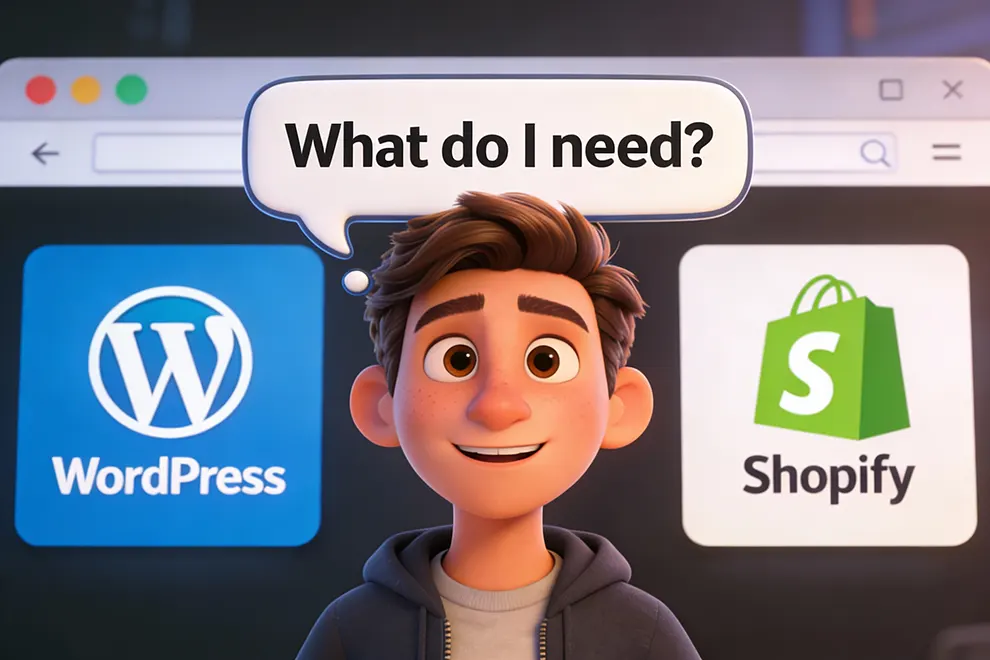
- What is your CMS preference? Do you want to easily manage content yourself later? If so, you likely need a WordPress or Shopify expert, not someone who codes in raw HTML/CSS.
Pro Tip: Create a one-page “Project Brief” listing your target audience, competitors you like, and 3-5 websites you admire visually. This will save hours of back-and-forth later.
Step 2: Understand the Roles: Designer vs. Developer
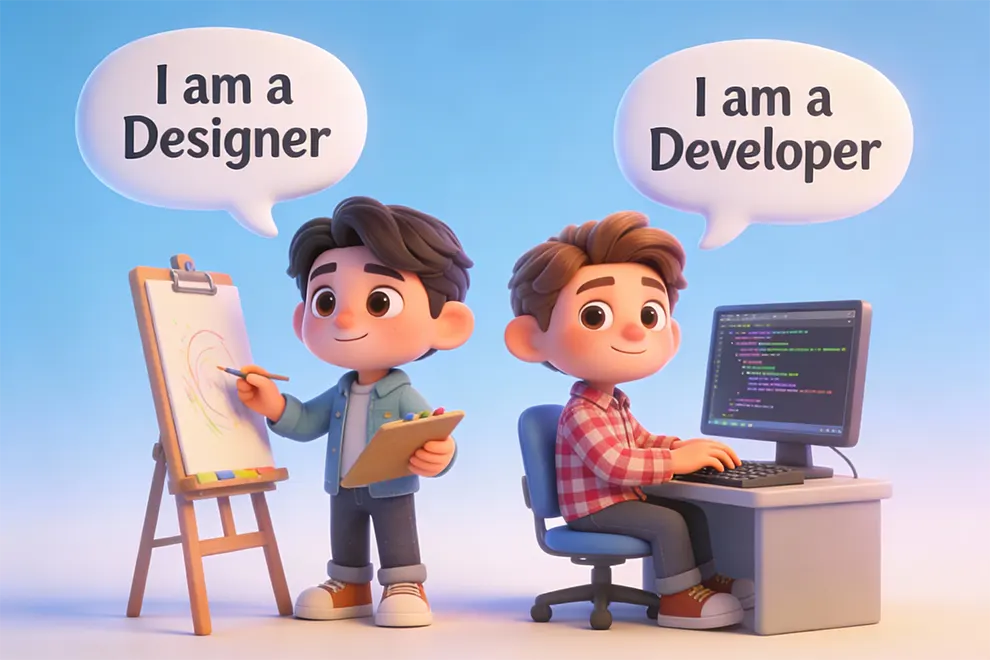
One of the biggest mistakes business owners make is confusing these two roles.
- Web Designer (The Architect): Focuses on the look, feel, and user experience (UX). They use tools like Figma, Adobe XD, or Photoshop. They decide how the user interacts with the site.
- Web Developer (The Builder): Takes the design and writes the code (HTML, CSS, PHP, JavaScript) to make it function on the web.
Who do you need? For most small-to-medium businesses, the best ROI comes from hiring a “Hybrid” designer or a freelancer who specializes in a page builder (like Elementor for WordPress). They can both design the layout and build it out without needing a separate coding team.
Step 3: Set a Realistic Budget
“How much does it cost to hire a web designer?” This is the most common question, and the answer varies wildly. Here is a realistic breakdown for 2025:
- Budget Tier ($500 – $2,500): usually beginner freelancers or offshore talent. Expect to use pre-made templates. Risk of poor communication or code quality is higher.
- Mid-Range Tier ($3,000 – $10,000): Experienced freelancers or small boutique studios. You get a custom strategy, SEO foundations, and a unique design tailored to your brand.
- Premium Tier ($15,000+): Full-service agencies. Includes advanced custom development, copywriting, professional photography, and extensive user testing.
Remember: You are not just paying for a pretty page; you are paying for reliability, speed, and business logic.
Step 4: Where to Find Top Talent

Avoid the “race to the bottom” platforms if you care about quality. Instead, look here:
- Behance & Dribbble: These are portfolios for professional designers. Look for styles that match your vision.
- LinkedIn: Search for keywords like “WordPress Expert” or “SaaS Web Designer.” Check their recommendations.
- Industry Referrals: Ask complementary businesses (e.g., your SEO agency or copywriter) who they recommend.
Step 5: How to Vet a Portfolio (Look Deeper)
When reviewing a candidate’s portfolio, don’t just look at the screenshots. Screenshots can be faked or “idealized.”
Do this instead:
- Request Live Links: Visit the actual websites they built.
- Check Mobile Responsiveness: Open the site on your phone. Does the menu work? Is the text readable? 60% of traffic is mobile; if they fail here, do not hire them.
- Check Speed: Run their portfolio sites through Google PageSpeed Insights. A slow site kills SEO rankings.
Step 6: The Interview (Questions to Ask)
You’ve narrowed it down to 3 candidates. Ask these specific questions to separate the pros from the amateurs:
- “Will I own the domain, hosting, and design files after the project is paid for?” (The answer must be YES. Never let a designer hold your assets hostage.)
- “How do you approach SEO during the design phase?” (They should mention image compression, heading hierarchy, and mobile optimization.)
- “Do you provide training on how to update the site?” (You don’t want to pay them $100 every time you need to change a sentence.)
- “What happens if the project goes over the deadline?”
Step 7: Red Flags to Watch Out For
They say “Yes” to everything. A true expert will push back if your ideas hurt the user experience. No Contract. Never start work without a signed agreement outlining scope, timeline, and payment milestones. Proprietary Software. Be wary if they want to build your site on their own private platform. If you fire them, you lose your website. Stick to open standards like WordPress.
Conclusion
Hiring a web designer is more than just a business transaction; it is a critical partnership for your brand’s growth.
I didn’t write this guide based on theory or guesswork. Over the past 9+ years serving as a Project Director, I have sat across the table from hundreds of candidates—including web designers, full-stack developers, marketing strategists, and agency heads.
I have seen the glossy portfolios that hid messy code, and I have worked with quiet professionals who delivered game-changing results. The framework shared in this article is the exact battle-tested process I use to filter out the noise and find the true talent.
Don’t rush the process. Use these criteria to look beyond the visuals.
“Your website is the engine of your digital business—make sure you hire a mechanic who knows how to tune it for performance, not just someone who can paint it a nice color. “—— Wodey
Ready to build something that works? Contact me for a free website audit or Copy our hiring checklist.
Bonus: Job Description Template
Need to post a job ad? Copy and paste this template:
Title: Looking for an Experienced Web Designer (WordPress/Shopify)
Summary: We are [Company Name], looking for a designer to [redesign/build] our website. Our goal is to increase [leads/sales].
Responsibilities:
- Create a responsive, SEO-friendly design.
- Implement the design into [CMS Platform].
- Ensure fast load times and mobile compatibility.
Requirements:
- Proven portfolio of live websites (not just images).
- Experience with [specific tools, e.g., Elementor, Figma].
- Understanding of basic SEO principles.